

Delhi: The controversy surrounding the Central Board of Secondary Education’s (CBSE) digital evaluation system has taken a fresh turn, with a parliamentary panel reportedly raising questions about the due diligence conducted before awarding a major contract linked to the board’s On-Screen Marking (OSM) project. The latest developments have intensified scrutiny over the procurement process and renewed concerns about transparency in one of India’s most important examination systems.
According to reports, members of the panel sought clarity on the relationship between Coempt EduTeck, the company awarded the OSM contract, and its earlier identity as Globarena Technologies. The panel is understood to have questioned whether adequate background checks were carried out before awarding a contract that would play a crucial role in evaluating the answer sheets of millions of CBSE students.
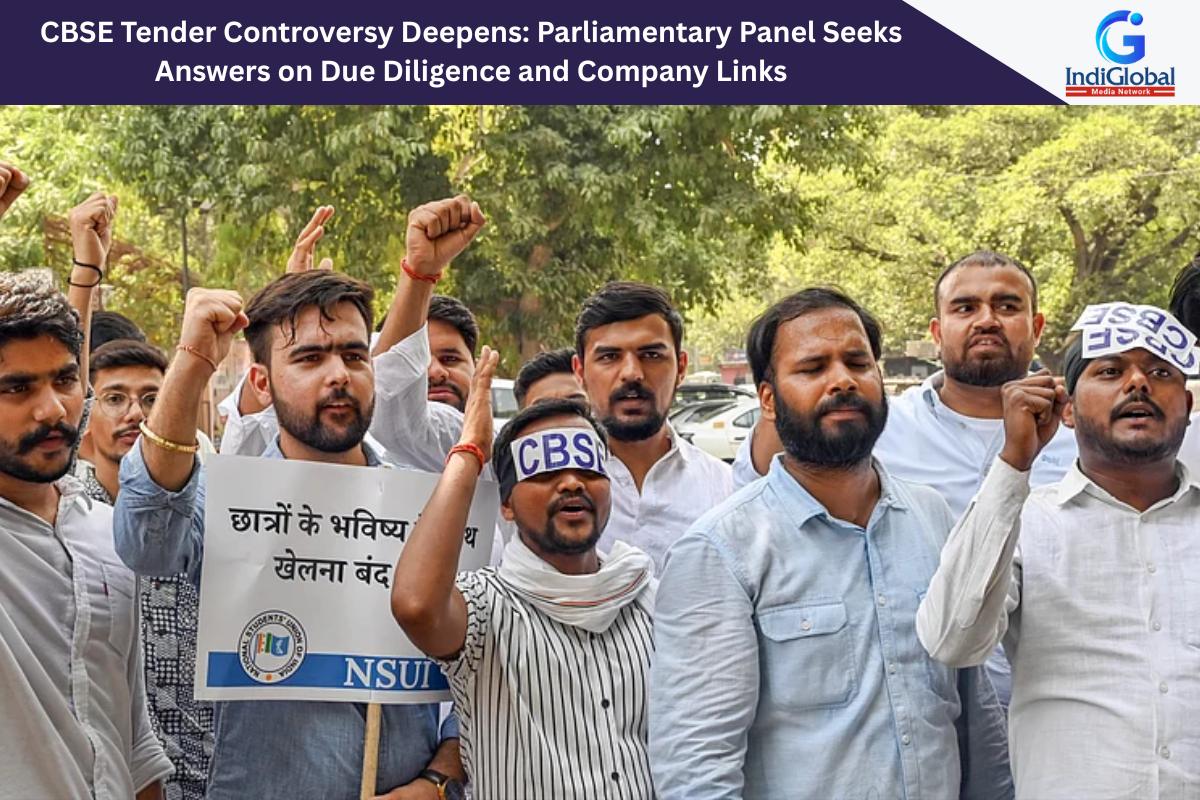
The issue has gained national attention following complaints related to blurred answer-sheet scans, mismatched copies, and concerns over the digital evaluation process used during the Class 12 board examinations. Student groups, parents, and education activists have argued that such glitches can significantly affect students’ academic futures, making accountability and transparency essential.
Adding to the controversy are allegations that certain tender conditions were modified during the bidding process. Critics claim that changes in eligibility criteria and technical requirements may have benefited specific bidders, although CBSE has firmly rejected these allegations and maintained that all procurement procedures followed government norms and established financial rules. The board has stated that the contract was awarded through a standard quality-and-cost-based selection process.
The matter has now evolved beyond a technical dispute into a broader discussion about governance and public trust. With millions of students depending on fair and accurate evaluation systems, experts believe the controversy highlights the need for stronger oversight of technology-driven education projects. The Centre has already ordered a formal inquiry into the procurement process, while senior CBSE officials have been moved as investigations continue.
For students and parents anxiously awaiting clarity, the outcome of these investigations could determine not only accountability for past decisions but also the future direction of digital examination reforms in India. As scrutiny intensifies, the focus remains on ensuring that technology enhances educational fairness rather than undermining confidence in the system.