

In a country where healthcare costs can often determine the course of treatment, India has taken a significant and deeply human step forward. For the first time, the government has introduced national guidelines for childhood diabetes care, ensuring that children across the country will not just be diagnosed early, but also receive free, lifelong treatment.
At the heart of this initiative is a simple but powerful idea: no child should suffer because care is unaffordable or delayed.
Released by the Ministry of Health and Family Welfare, the new framework creates a structured national system for screening, diagnosing, treating, and managing diabetes in children from birth to 18 years. It marks the first time that childhood diabetes care has been fully integrated into India’s public health system, placing the country among a select group globally to take such a comprehensive approach.
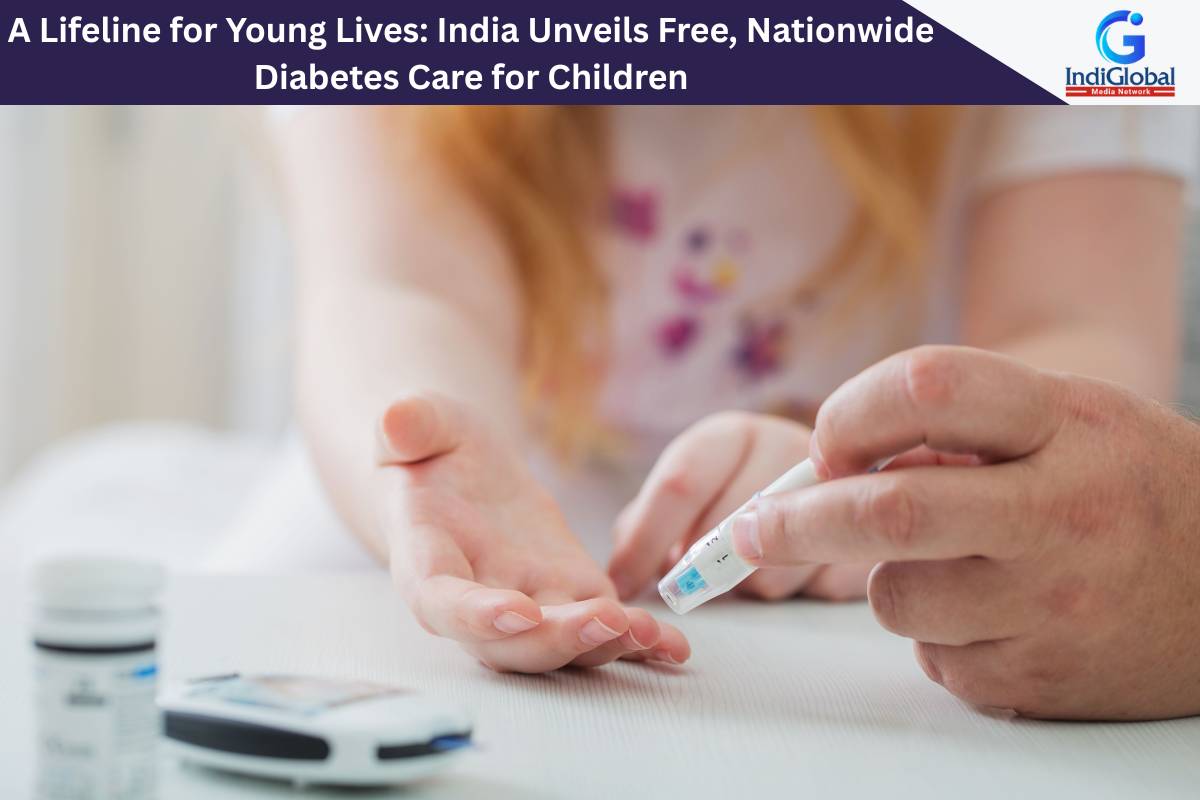
For families, the biggest relief comes in the form of cost. Diabetes is a lifelong condition, and managing it, especially in children, can be financially and emotionally exhausting. The new guidelines promise a complete care package at public health facilities, including diagnostic tests, insulin therapy, glucometers, test strips, and regular follow-ups, all free of cost.
This move is expected to ease the burden on thousands of families who struggle to afford consistent treatment, often having to choose between daily needs and life-saving medication.
But the initiative goes beyond affordability, it focuses on early detection, which can be lifesaving. The government plans to screen all children through schools and community health systems, ensuring that warning signs are identified before complications arise. Suspected cases will be tested immediately and referred to district hospitals for confirmation and treatment.
Also Read:- MRI Comes to the Bedside: How AIIMS Delhi Is Changing Critical Care, One Scan at a Time
To make early detection easier, the guidelines introduce the “4Ts” awareness framework: Toilet (frequent urination), Thirsty (excessive thirst), Tired (fatigue), and Thinner (sudden weight loss). These simple indicators are meant to empower parents, teachers, and caregivers to recognise symptoms early, turning awareness into action.
Equally important is the emphasis on continuity of care. The new system links community-level screening with treatment at district hospitals and advanced care at medical colleges, creating a seamless healthcare journey for children. This ensures that no patient falls through the cracks, a common challenge in large public health systems.
For many parents, managing a child’s diabetes is not just about medicine, it’s about daily vigilance, fear, and responsibility. Recognising this, the guidelines also include training for families in insulin administration, blood sugar monitoring, and emergency response. By empowering caregivers, the programme shifts from being just a medical intervention to a support system for entire families.
India’s move comes at a time when diabetes is no longer seen as an adult-only disease. With rising cases among children, experts warn that delayed diagnosis or poor management can lead to severe complications, including organ damage and even death.
By addressing the issue early and comprehensively, the government hopes to not only save lives but also improve the quality of life for young patients, allowing them to grow, learn, and dream without the constant shadow of untreated illness.
In the end, this policy is more than a healthcare reform. It is a promise, to children and their families, that their future will not be limited by their diagnosis.