

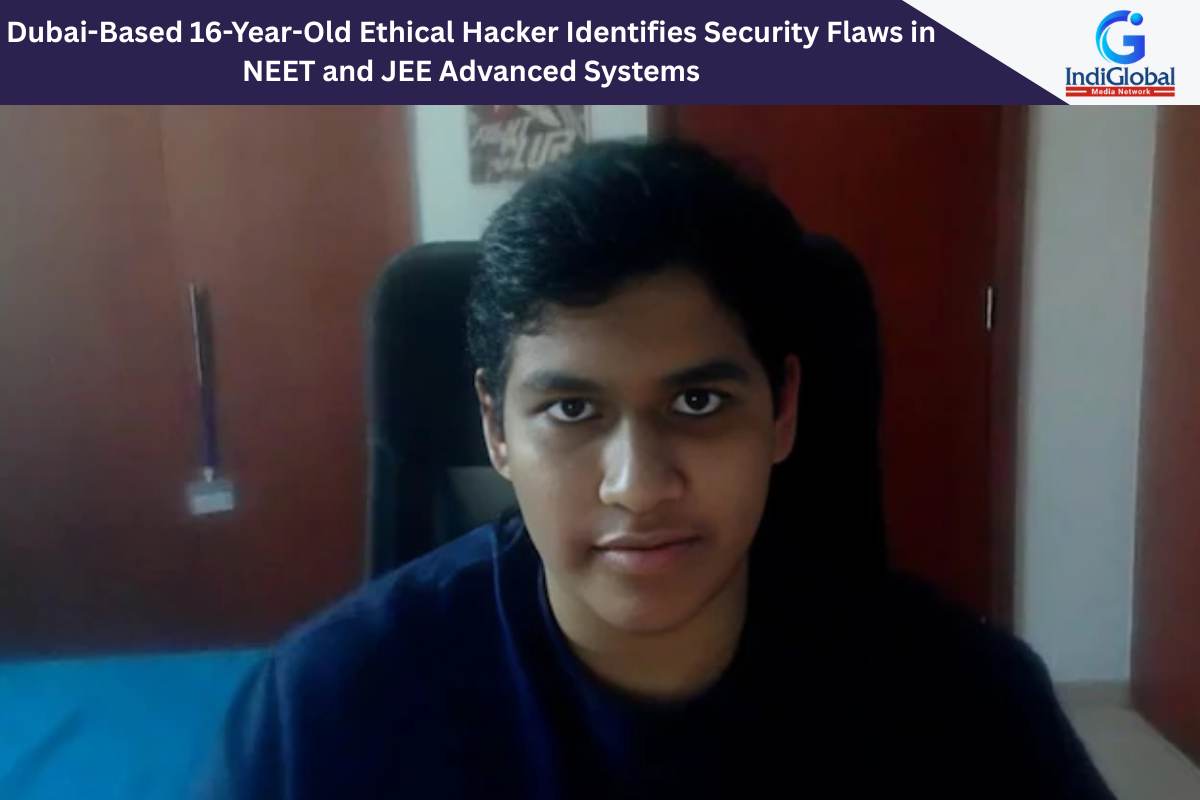
Delhi: In a year when India’s examination ecosystem has faced intense scrutiny over paper leaks, technical glitches and questions around transparency, an unlikely voice has emerged from outside the country. A 16-year-old Class 12 student studying in Dubai has drawn national attention after identifying vulnerabilities in both the NEET and JEE Advanced examination systems and reporting them to authorities.
Speaking in an interview to a media house, the teenager revealed that he discovered the issues within a matter of hours and immediately alerted the concerned agencies. According to him, officials responded swiftly, acknowledging the vulnerabilities and taking corrective action. In the case of the NEET portal, authorities reportedly moved quickly after being informed, while a separate flaw related to JEE Advanced was also addressed within hours.
What makes the story remarkable is not just the technical skill involved, but the motivation behind it. The student described himself as an ethical hacker who has been exploring computer systems and cybersecurity since middle school. Rather than exploiting the flaws, he chose to report them responsibly, ensuring that sensitive information was not exposed publicly.
The episode comes at a time when India’s examination bodies are under pressure to restore public trust following controversies surrounding major entrance examinations. Against this backdrop, the teenager believes young cybersecurity enthusiasts can play a constructive role in strengthening public systems rather than undermining them.
The student also spoke about the apprehensions he faced before going public. Like many parents hearing the word “hacking,” his family initially worried about potential legal consequences. However, once they understood that his actions were intended to help improve security, they supported his decision.
His story serves as a reminder that innovation and civic responsibility can come from unexpected places. At a time when millions of students depend on fair and secure examinations, one teenager’s actions have sparked a wider conversation about cybersecurity, accountability and the role young minds can play in safeguarding the systems that shape India’s future.