


The Indian higher education ecosystem is entering one of the most transformational phases in its history. With policy reforms, globalization, rapid technological advancements, changing industry expectations, and the implementation of the National Education Policy 2020, the traditional boundaries of higher education are gradually being redefined. Among the many reforms being discussed, the proposed entry and expansion of foreign universities into India has emerged as one of the most significant developments capable of reshaping the future of Indian higher education.
For decades, Indian students have travelled abroad aspiring for global exposure, research opportunities, international pedagogy, premium academic credentials, and better employability prospects. This outbound mobility has not only resulted in significant financial outflow from the country but has also widened the perception gap between domestic and international institutions. However, with global universities now exploring opportunities to establish campuses and academic collaborations within India, the conversation is no longer limited to student migration. It is increasingly becoming a discussion about competitiveness, institutional transformation, accessibility, innovation, and the emergence of India as a global education destination.
The arrival of foreign universities in India is not merely an expansion of academic options; it may fundamentally restructure the competitive architecture of higher education itself. As international institutions establish campuses and premium programs within the country, Indian universities may increasingly be compelled to rethink academic quality, employability, research capabilities, industry integration, student experience, and institutional positioning.
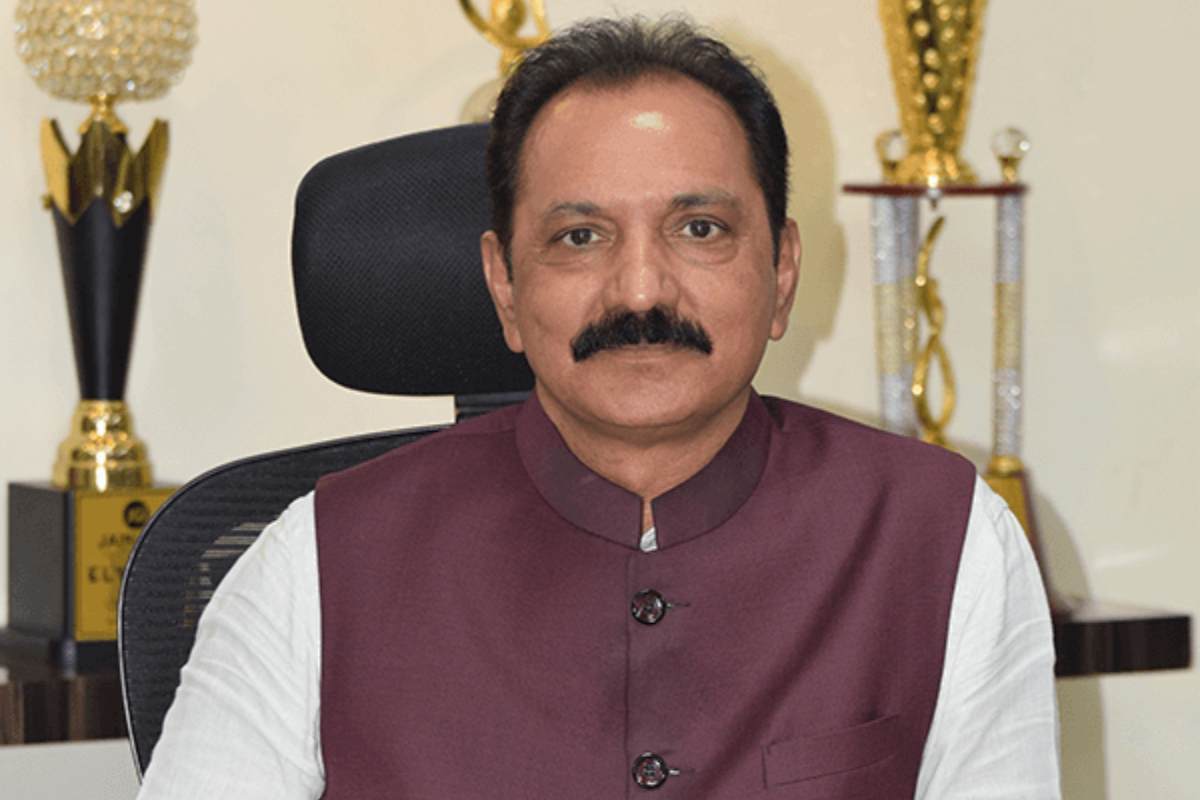
According to Dr. Jitendra Mishra (Vice Chancellor i/c & Registrar Jain Deemed to be University), the entry of foreign universities into India is likely to trigger a major reconsolidation within the higher education ecosystem. Much like global employers today prioritize graduates from select institutions, the emergence of international campuses in India could redefine how premium programs are perceived and valued. He further observes that this transition may gradually reduce the space occupied by low-quality institutions while encouraging Indian universities to strengthen academic quality, innovation, and industry relevance. More importantly, it could create affordable access to globally competitive education within India itself, enabling students to pursue premium career opportunities without necessarily going abroad.
This perspective reflects a larger reality that higher education is increasingly moving from a volume-driven ecosystem to a value-driven ecosystem. In the coming years, institutions may no longer be evaluated merely based on infrastructure, intake capacity, or legacy reputation, but on measurable outcomes such as employability, research impact, innovation, global collaborations, entrepreneurship, and interdisciplinary learning. The entry of foreign universities may therefore accelerate the premiumization of higher education and push institutions towards greater accountability and academic excellence.
At the same time, the Indian higher education ecosystem is far too vast and dynamic to be viewed only through the lens of competition. India continues to have one of the largest youth populations in the world, and the demand for quality higher education across disciplines, geographies, and socio-economic groups remains significantly underserved. The Gross Enrollment Ratio continues to grow, while aspirations among students and parents for globally relevant education have expanded rapidly over the last decade.
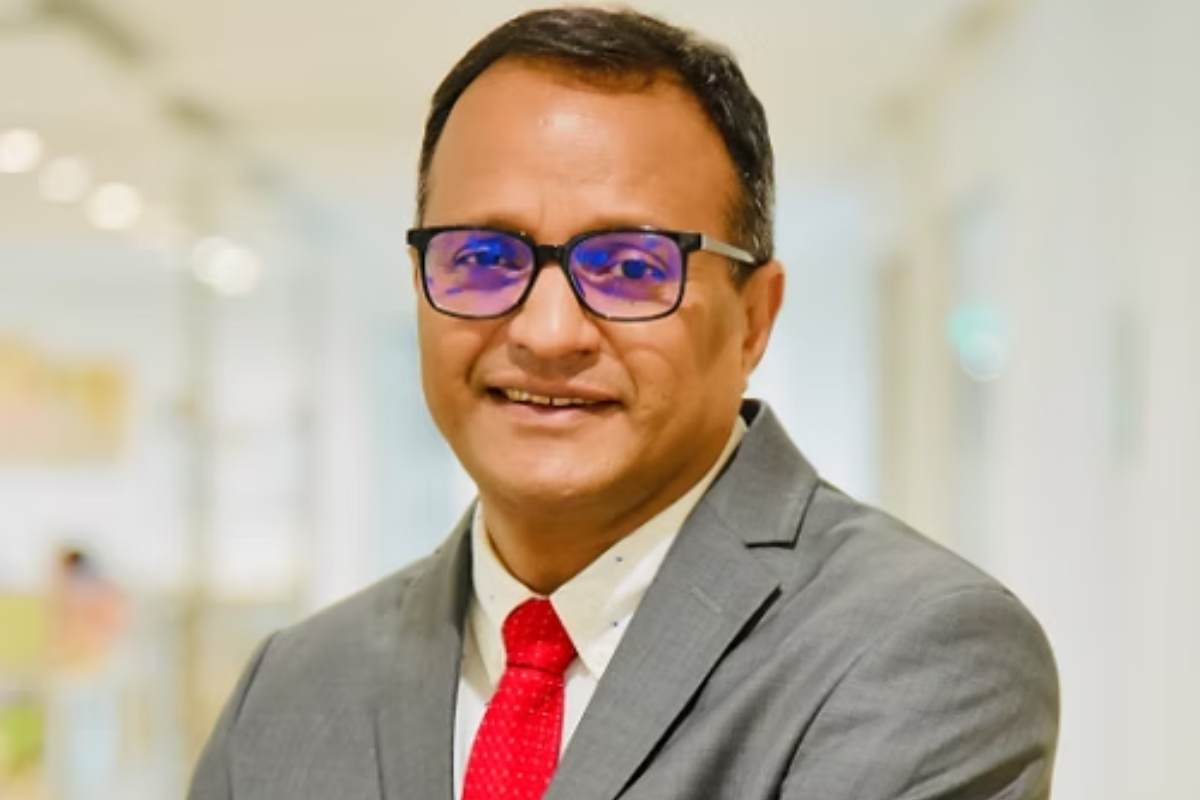
In this context, Dr. Ajith Abraham (Vice Chancellor, Sai University) believes that India represents one of the world’s largest and most dynamic higher education markets, with immense unmet demand still existing across disciplines and regions. In such a vast ecosystem, there is room for both foreign universities and emerging Indian institutions to coexist and contribute through their respective areas of specialization. While international universities may attract a segment of students seeking global exposure, the overall demand for quality higher education in India remains far greater than the current institutional capacity. This creates opportunities not only for foreign institutions but also for new-age Indian universities to innovate, differentiate, and address niche academic and industry requirements.
This observation highlights an important dimension often overlooked in public discourse. The future of Indian higher education may not necessarily be defined by replacement, but by coexistence, collaboration, specialization, and ecosystem expansion. While some foreign universities may focus on research-intensive education, others may specialize in emerging technologies, liberal arts, healthcare, sustainability, artificial intelligence, entrepreneurship, or global business education. Simultaneously, Indian institutions too may evolve by strengthening niche academic offerings, industry-linked programs, international partnerships, and multidisciplinary learning models.
While discussions around foreign universities in India often focus on affordability, accessibility, and academic competitiveness, another important dimension of international education lies beyond classrooms and degree programs. For many students, studying abroad is also deeply connected to cultural immersion, global exposure, personal transformation, independence, and the experience of living within a completely different social and academic ecosystem.
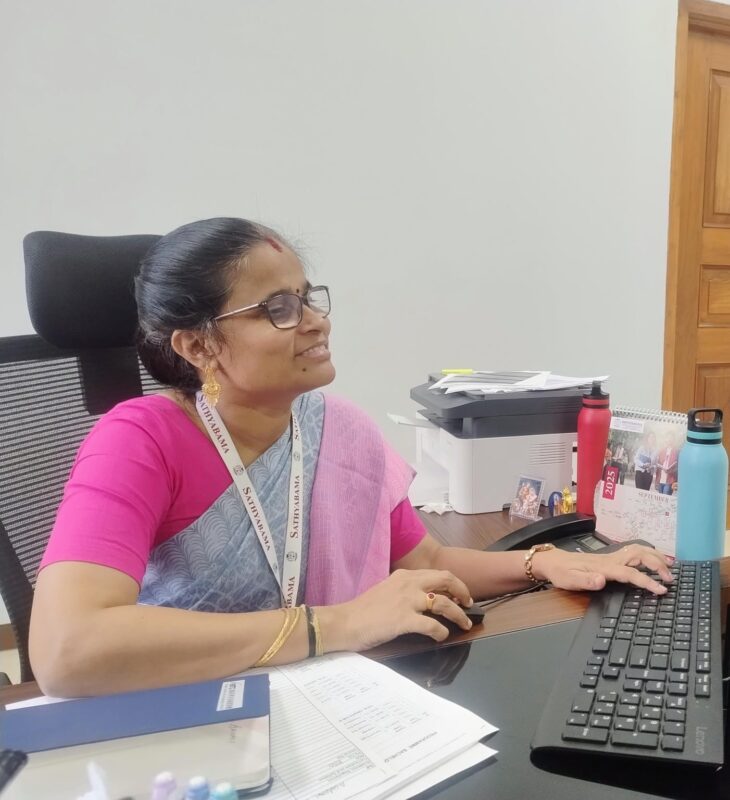
According to Dr. Sarasu (Director International Relations, Satyabhama Deemed to be University), Indian students do not always choose foreign universities solely for academic credentials. In many cases, the aspiration is equally driven by the desire to experience new cultures, diverse societies, international peer groups, and independent lifestyles associated with overseas education. She believes that while foreign university campuses in India may successfully provide elements of international pedagogy, academic exposure, and global learning environments, a section of students may still prefer to travel abroad in pursuit of the broader cultural and experiential transformation that international education offers.
This perspective introduces an important reality within the evolving higher education landscape. International education is not merely transactional; it is experiential. The value associated with studying abroad often extends beyond curriculum and institutional branding into areas such as global networking, multicultural adaptability, exposure to international work cultures, and personal growth. Therefore, while foreign campuses in India may reduce barriers related to affordability and accessibility, they may complement rather than completely replace outbound student mobility.
At the same time, the emergence of international campuses within India may gradually create hybrid educational ecosystems where students gain access to globally aligned curricula, multicultural classrooms, international faculty interactions, collaborative research opportunities, and global academic practices without necessarily leaving the country. This may especially benefit students seeking international-quality education with reduced financial burden while remaining connected to local ecosystems and opportunities.
Also Read:- Global Skills, Global Futures: MSU–SQA Partnership Opens New International Pathways for Indian Students
The larger impact of foreign universities entering India may therefore extend beyond campuses and classrooms. It could influence faculty mobility, research collaborations, academic governance, curriculum design, innovation ecosystems, startup culture, and even institutional leadership practices. The exposure to global academic benchmarks may encourage Indian universities to rethink operational agility, student-centricity, digital transformation, and internationalization strategies.
However, the success of this transition will depend significantly on regulatory clarity, quality assurance mechanisms, affordability, and equitable access. If global education within India remains accessible only to a limited section of society, the intended transformation may remain incomplete. Similarly, Indian institutions must not perceive this moment merely as competitive pressure, but as an opportunity for institutional introspection, strategic partnerships, and long-term capacity building.
The emergence of foreign universities in India should therefore not be viewed as a challenge to Indian higher education alone, but as a defining opportunity to elevate the overall academic ecosystem of the country. India possesses the demographic advantage, intellectual capital, entrepreneurial energy, and policy momentum required to become one of the world’s leading knowledge economies. The question is no longer whether foreign universities should enter India. The real question is whether India can leverage this historic moment to build a globally respected, innovation-driven, inclusive, and future-ready higher education ecosystem capable of serving not only its own aspirations but also the educational aspirations of the world.
Written By: Shazil Ahmed, Ex – University Registrar, VP, Digii